Airlines are squeezing Americans with skyrocketing fares while delivering airport chaos that makes you wonder if flying is worth the hassle anymore.
Story Snapshot
- Airline operating costs are rising faster than revenues, driving ticket prices to painful new highs while margins collapse
- Airport congestion, IT outages, and air traffic controller shortages create operational chaos that tests passenger tolerance
- Regional carriers are consolidating from 15 to just 9 over a decade, reducing service to smaller communities
- Supply chain disruptions add $11 billion in costs as aging fleets and engine shortages plague the industry
Rising Costs Squeeze Families While Airlines Struggle
Aviation analysts at BCG report that airline cost per available seat kilometer is climbing faster than revenue per available seat kilometer in 2026, creating a painful squeeze.
Fuel expenses, wage inflation for pilots and crew, and maintenance costs for aging aircraft are driving ticket prices upward while carriers face margin compression.
This cost structure contradicts promises of affordable air travel, forcing families to pay premium prices for basic transportation. The $11 billion burden from supply chain issues and fleet aging hits consumers directly through higher fares, raising questions about industry priorities amid inflation.
Travelers hoping for a drop in long-haul airfares are in for a brutal reality check. Ticket prices on major routes connecting Asia and Europe have surged up to 560% this month, and are likely to stay elevated as war-related disruptions ripple through the Persian Gulf, according… pic.twitter.com/aWDm55Xrvq
— Bloomberg (@business) March 26, 2026
Operational Chaos Tests Passenger Patience
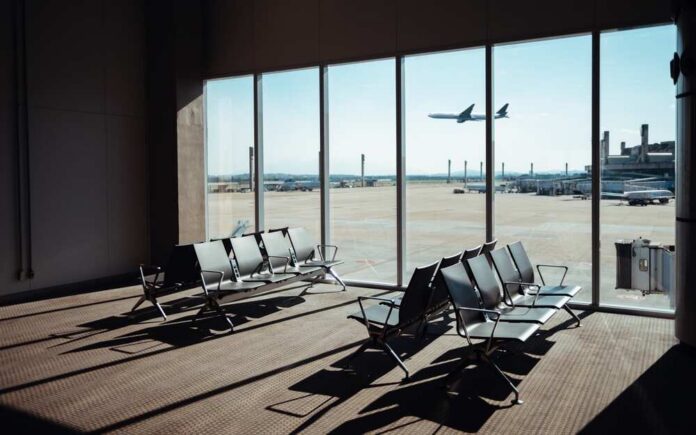
Airport congestion, IT system failures, and chronic air traffic controller shortages are creating operational nightmares across U.S. airports. FTI Consulting identifies these infrastructure weaknesses as critical threats to travel reliability, with cancellations and delays becoming routine rather than exceptional.
The chaos stems from underinvestment in systems and personnel, leaving travelers stranded while airlines collect premium fares. This unreliability undermines the value proposition of air travel, particularly when combined with rising prices.
Regional carriers face the greatest pressure, with consolidation eliminating service to smaller communities, as network carriers dominate through scope clauses that restrict competition.
Industry Restructuring Reduces Consumer Choice
The number of U.S. regional carriers has dropped from approximately 15 to just 9 over the past 10 years, reducing flight options and connectivity for communities outside major hubs.
Full-service carriers are outperforming low-cost competitors in return on invested capital, shifting the industry toward premium pricing models that disadvantage budget-conscious travelers.
Airlines are transitioning away from 50-seat jets, further limiting regional access while focusing capacity on profitable international routes. This consolidation concentrates market power among fewer carriers, eroding the competitive pressure that historically kept prices reasonable.
The shift reflects industry priorities favoring profitability over service breadth, leaving rural and smaller markets underserved.
Supply Constraints and Regulatory Burdens Compound Problems
Aircraft manufacturers like Boeing and Airbus saw a 71 percent surge in orders in January 2026, yet persistent delivery backlogs prevent airlines from expanding capacity to meet demand. Engine shortages and tier-2 supplier pressures production constraints despite FAA approvals for increased Boeing 737 MAX output.
Meanwhile, the European Union’s sustainable aviation fuel mandate, starting at 2 percent in 2026 and climbing to 70 percent by 2050, adds regulatory costs that ultimately flow to ticket prices.
Cirium analysts identify U.S. policy risks as the top threat to industry stability, with geopolitical turbulence and trade policies amplifying volatility.
These converging pressures demonstrate how government mandates and supply mismanagement create tangible burdens for American travelers seeking affordable, reliable air service.
The aviation industry’s fragile growth in 2026 reflects structural imbalances where costs outpace revenues, infrastructure falters under demand, and consolidation narrows consumer options.
Travelers face a frustrating reality: paying more for less reliable service, while airlines navigate supply constraints and regulatory pressures.
Whether demand resilience holds against this combination of premium pricing and operational unreliability remains the critical question for an industry testing passenger patience at every turn.
Sources:
BCG: Air Travel Outlook – Revenues and Costs Are Rising
FTI Consulting: Global Aviation Themes 2026 – Key Trends
ePlaneAI: Key Trends in Global Aviation for 2026
Morgan Lewis: Top 10 Considerations for the Airline Industry in 2026
Cirium: Aviation in 2026 – A Stable Climb or Turbulence Ahead?
WNS: 4 Trends Shaping the Airline Industry in 2026