Austan Goolsbee’s warning is blunt: an Iran-driven energy shock could keep interest rates higher for longer, delaying the “rate relief” many Americans expected in 2026.
Quick Take
- Chicago Fed President Austan Goolsbee said an Iran war energy shock could reignite inflation and push expected Fed rate cuts from 2026 into 2027.
- Higher oil and fuel costs tend to flow quickly into consumer prices, squeezing household budgets and complicating the Fed’s fight to reach its inflation target.
- Delays in rate cuts would likely keep borrowing costs elevated for mortgages, auto loans, and business investment, prolonging a tight-money environment.
- Reporting is based on a single published account of Goolsbee’s comments, limiting confirmation of timing, context, and the Fed’s broader internal debate.
Goolsbee ties inflation risk directly to the Iran conflict
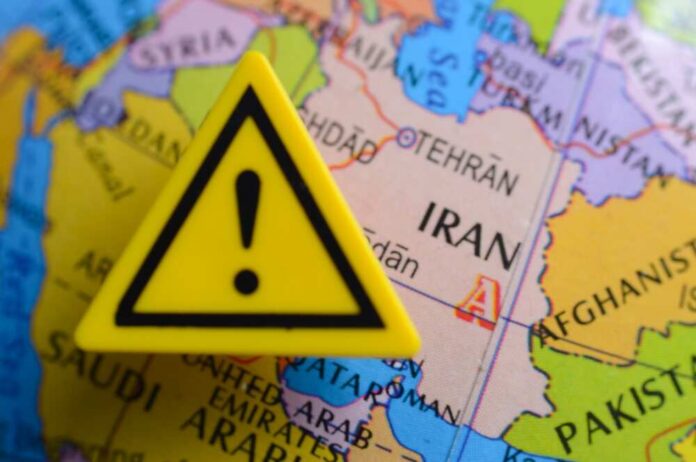
Chicago Federal Reserve President Austan Goolsbee said the biggest near-term risk to the inflation outlook is an energy shock connected to an Iran war, a scenario that could disrupt the path toward lower interest rates.
The key implication is timing: rather than the Federal Reserve beginning cuts in 2026, the inflation hit from higher energy prices could force policymakers to hold off until 2027. That shift matters for anyone waiting on cheaper credit.
Goolsbee’s message fits the Fed’s basic mandate tradeoff: when inflation risk rises, officials tend to prioritize price stability over faster easing. Even if wage growth cools or goods prices soften, oil and refined fuel can push headline inflation higher and keep consumer expectations elevated.
For households already frustrated by the cost of living, a renewed energy-driven inflation wave can feel like a replay of the last few years—only with borrowing costs still stuck at restrictive levels.
Federal Reserve Bank of Chicago President Austan Goolsbee thinks that the Iran war risks fueling inflation, which would make it harder for the central bank to ease interest rates in 2026. https://t.co/MWrdDgPVn8
— CBS News (@CBSNews) April 3, 2026
Why an “energy shock” can quickly hit Main Street inflation
Energy costs rarely stay isolated to the gas pump. When oil prices jump, transportation, shipping, and production costs climb, and those increases often show up across a wide range of consumer goods. Food distribution, air travel, home heating, and everyday commuting all become more expensive at once.
In policy terms, that is the kind of shock that can slow or reverse disinflation progress, making it harder for the Fed to justify rate cuts without risking a rebound in overall prices.
The research summary also points to historical parallels: major geopolitical disruptions in energy markets have previously driven inflation spikes, forcing central banks to respond. While the current reporting does not provide detailed war or supply-chain specifics, the scenario described is familiar to anyone who lived through prior oil-related inflation surges.
The political sting is that voters can do “everything right”—work more, budget tighter—and still lose ground if energy costs reset the price level higher across the economy.
What a delay to 2027 could mean for mortgages, credit, and growth
If rate cuts slide from 2026 to 2027, the most immediate impact is prolonged high borrowing costs. Mortgage rates, refinancing activity, and home affordability typically depend on expectations of future Fed policy, not just today’s rate. The same is true for auto loans, credit cards, and small-business financing.
Higher-for-longer policy can restrain investment and hiring, even as inflation forces families to spend more just to maintain the same standard of living.
That creates a political tension many Americans recognize: the central bank is tasked with stabilizing prices, but ordinary people experience the “solution” as a double hit—higher costs and expensive credit.
Conservatives often argue that energy policy and fiscal choices should avoid making the inflation problem worse in the first place, since the Fed can only react after damage shows up in prices. Liberals often argue for more consumer support, but that can clash with anti-inflation goals if it fuels demand.
Limits of the available reporting and what to watch next
Next signals to watch are straightforward: whether other Federal Open Market Committee members echo the same concern, whether energy prices remain elevated long enough to affect inflation readings, and whether “core” measures move in the same direction.
For Americans skeptical that government institutions serve regular people, this situation underscores a hard reality: global conflict and energy instability can overpower domestic promises of relief. In that environment, disciplined policy and transparent communication matter because households feel every delay in lower rates.
Sources:
Iran War Shock Has Chicago Fed Chief Pushing Off Rate Relief to 2027