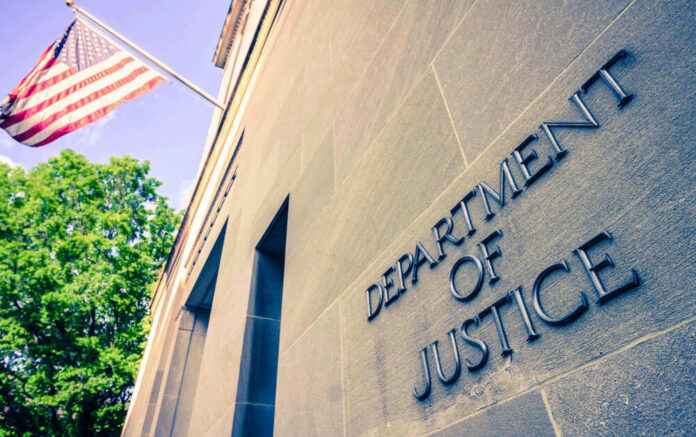
Mayor Eric Adams’ controversial sanctuary city policies have just landed him in hot water with a lawsuit from President Donald Trump’s Department of Justice.
The battle promises to shake the foundations of New York City governance.
At a Glance
- Eric Adams, NYC Mayor, is facing a lawsuit over sanctuary city policies.
- Federal investigations and scandals have plagued Adams’ administration.
- Dismissal of Adams’ corruption case sparks DOJ controversy.
- Adams plans to seek reelection amid ongoing political turmoil.
Eric Adams Under Fire: Sanctuary City Policies and Legal Woes
Eric Adams, elected as New York City Mayor in 2021, initially promised to restore law and order after Bill de Blasio’s turbulent tenure.
However, his administration quickly found itself embroiled in a web of federal investigations, culminating in a corruption indictment in 2024.
Despite the controversies, the case was dramatically dismissed in 2025, raising eyebrows across the political spectrum.
Trump's DOJ Smacks New York City Mayor Eric Adams With Lawsuit Over Sanctuary City Policieshttps://t.co/f8tkLvpKYK
— RedState (@RedState) July 25, 2025
The lawsuit now filed by Trump’s DOJ against Adams targets his sanctuary city policies, which have long been a contentious issue.
These policies, which shield illegal immigrants from federal immigration enforcement, have drawn criticism for undermining national security and disregarding federal law. The lawsuit marks a significant escalation in the ongoing battle between the Trump administration and sanctuary cities.
The Political Landscape: Federal Investigations and Indictments
Adams’ troubles began with federal investigations into his 2021 mayoral campaign, focusing on illegal foreign donations and potential quid pro quo arrangements involving city contracts.
These investigations expanded, resulting in multiple high-level resignations and arrests within his administration. Despite these setbacks, Adams maintained his innocence and refused to step down, framing the investigations as politically motivated.
The case against Adams intersected with the 2024 presidential election and Donald Trump’s return to the White House. The Department of Justice, now under new leadership, ordered the case dropped, sparking a wave of resignations among federal prosecutors.
This decision has fueled debates over political interference in law enforcement and the integrity of the justice system.
Current Developments: Legal Dismissal and Political Aspirations
On April 2, 2025, Judge Dale Ho dismissed the case against Adams with prejudice, effectively ending the legal proceedings. This dismissal triggered the largest mass resignation of senior federal prosecutors in decades, including the acting U.S. Attorney for the Southern District of New York.
Adams declared vindication and announced his intention to seek reelection, setting the stage for a highly contentious mayoral race.
The DOJ cited Adams’ cooperation on federal immigration policy as a rationale for dropping the case, a move that has been criticized by many as lacking a “good-faith basis.”
Despite the legal victory, Adams faces a looming deadline to enter the Democratic primary for mayor, with his political future hanging in the balance.
Implications: Political, Social, and Economic Impact
The fallout from the DOJ’s actions has far-reaching implications for New York City and beyond. In the short term, the case has eroded public trust in city government and federal law enforcement, contributing to political instability.
In the long term, it sets a precedent for federal intervention in local corruption cases, raising questions about prosecutorial independence and the politicization of the justice system.
For New York City residents, the uncertainty over city leadership and governance looms large.
The mass resignations and administrative turnover have disrupted city operations, potentially delaying crucial projects and contracts.
Socially, the case has heightened cynicism about political accountability and justice, while politically, it has weakened Adams’ standing, yet rallied some supporters around claims of political persecution.