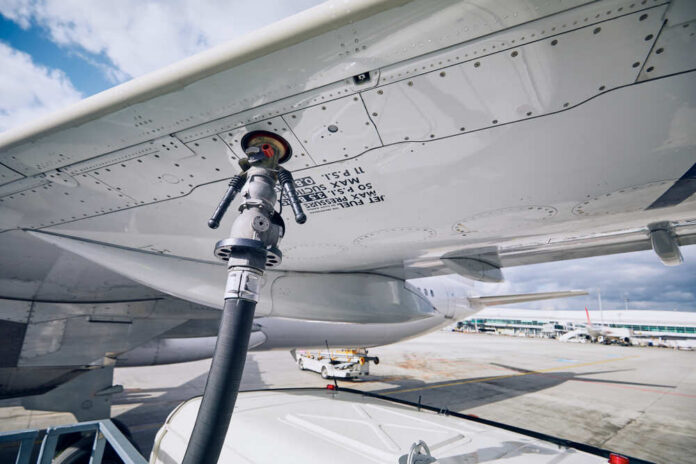
U.K. airlines face running dry on jet fuel within weeks as Iran’s closure of the Strait of Hormuz chokes global supply, threatening mass flight cancellations and soaring ticket prices for travelers.
Story Snapshot
- U.K. carriers report only 5-6 weeks of jet fuel reserves remaining as war with Iran disrupts global supply chains through April 2026
- Jet fuel prices nearly doubled from $2.17 to $4.57 per gallon by late March, forcing airlines to slash flights up to 30% and raise fares by similar margins
- Iran’s effective closure of the Strait of Hormuz has cut off 15-17% of global jet fuel supply—1.1 million barrels daily—in what experts call the largest oil disruption in history
- Major carriers, including Ryanair, United, and Delta, warn of May-June service cuts, cancellations, and surcharges as rerouted supplies from the U.S. and Africa fail to offset Middle East losses
Strait Closure Triggers Supply Chain Collapse
Iran’s response to U.S.-Israeli strikes in late February 2026 effectively shuttered the Strait of Hormuz, a chokepoint handling 20% of global oil and critical jet fuel shipments. The closure stranded tankers and damaged refineries in Kuwait and neighboring states, severing the flow of 1.1 million barrels per day of aviation fuel that powers 15-17% of worldwide flights.
Asian refineries slashed production as tanker traffic ground to a halt, while European carriers scrambled to reroute supplies from U.S., Norwegian, and African sources. The International Energy Agency labeled the crisis the largest supply disruption in oil market history, dwarfing the 2019 Iranian tanker attacks and surpassing Russia-Ukraine war volatility in scale and speed.
Jet fuel supply concerns grow as war on Iran drags on, airlines cut flights https://t.co/1aueBNTts5
— CNBC (@CNBC) April 7, 2026
Airlines Announce Sweeping Cuts and Fare Hikes
Ryanair CEO Michael O’Leary warned in early April that Europe faces a 10-25% jet fuel supply risk by May-June despite the airline hedging 80% of its fuel through March 2027. United Airlines CEO Scott Kirby announced a 5% capacity reduction and suspended routes to Israel and Dubai, citing an $11 billion annual cost exposure.
Delta CEO Ed Bastian reported $400 million in March fuel expenses alone and implemented immediate fare increases. Scandinavian Airlines canceled 1,000 April flights, while Southeast Asian carriers cut capacity up to 30%.
Bloomberg analysis reveals airlines are raising ticket prices by 30% to offset a 140% surge in jet fuel costs, passing the burden directly to consumers already frustrated by inflation and economic uncertainty.
The crisis exposes the fragility of global energy infrastructure and the consequences of foreign conflicts on everyday Americans. Travelers planning summer vacations face canceled flights and price gouging, while airlines warn the situation will worsen if the war drags into May.
Ryanair suspended flights to Jordan and diverted resources to maintain core European routes, signaling prioritization of profitable markets over service to ordinary passengers. The disruption mirrors COVID-era travel chaos, but this time scarcity—not demand collapse—drives cancellations.
For conservatives critical of globalist supply chains and over-reliance on unstable Middle Eastern regimes, the fuel crunch underscores the risks of abandoning American energy independence and the strategic blunders that leave citizens vulnerable to geopolitical shocks beyond their control.
Europe Faces Imminent Shortage as Reserves Dwindle
U.K. airlines report reserves sufficient for only 5-6 weeks as of early April, leaving carriers weeks away from grounding fleets if hostilities persist. Tankers like the Puffin Pacific have rerouted from U.S. Gulf Coast terminals to European ports, but the volume pales against the 1.1 million barrels daily lost from Middle Eastern sources.
Industry analysts note tight pre-war inventories and limited spot trading amplified the crisis, with refineries prioritizing crude oil efficiency over specialty products like jet fuel. Ryanair publicly insists supplies remain “secure for now,” yet the CEO’s simultaneous warnings of May disruptions reveal the precarious reality.
The contradiction reflects the airline industry’s reluctance to panic markets while privately bracing for worst-case scenarios that could strand millions of passengers.
Price Volatility and Long-Term Economic Fallout
Jet fuel prices surged from $2.17 per gallon in February to $4.57 by March 27, outpacing Brent crude’s 50% climb and doubling costs for unhedged carriers. Delta’s $400 million monthly hit exemplifies the financial strain, while smaller airlines lacking hedging contracts face bankruptcy risks if prices stay elevated through summer.
Fare hikes of 30% transfer costs to travelers, further eroding purchasing power for middle-class families already squeezed by post-pandemic inflation. Experts predict persistent high prices will delay aviation industry recovery and deter discretionary travel, shrinking airline revenues even as expenses balloon.
The economic ripple effects extend beyond airlines—tourism-dependent communities, hotel chains, and service workers all suffer as flight cuts reduce visitor traffic.
The fuel crisis also highlights the failure of political leaders on both sides to anticipate and mitigate foreseeable risks. Reliance on Middle Eastern jet fuel—despite decades of regional instability—demonstrates the short-sighted policies that prioritize global trade over national resilience.
For Americans tired of government incompetence, the spectacle of multi-billion-dollar airlines begging for relief while passengers foot the bill is another reminder that elites protect their interests first. The Trump administration’s considerations of market interventions signal recognition of the crisis, but the damage is done.
Ordinary citizens planning reunions, vacations, or business trips now face canceled bookings and price-gouged alternatives, victims of geopolitical entanglements and supply chain vulnerabilities that leaders ignored until disaster struck.
Sources:
UK Airlines Brace for Jet Fuel Crunch as Iran War Disrupts Global Supply – Oilprice.com
Ryanair CEO Warns 25 Percent Jet Fuel Threatened by Iran War – Business Insider
Jet Fuel Spikes as Airlines Warn Supplies Could Run Dry Within Weeks – Fox News